14. Risks Example
Risks Example Header
Example: Risks in Launching a Product to Multiple Countries
ND036 C4 L01 A12 Identifying Risks Example
Identifying Risks Example Recap
New Terms
Gradual Roll Out: When instead of launching our product to 100% of your users, you gradually increase the percent of users seeing/using your product
Understanding and Mitigating Risks
Know your product
Each product is different and will have different risks. If you are new to a product, ask a lot of questions, especially about any previous failures.
Talk to all the right people
Make sure that you are in contact with all of the relevant teams including engineering, testing, legal, marketing, sales, support and more.
Keep assessing the risks
Just because you already have previously launched a product, you can't be sure that it won't break again. Things break, even if “nobody touched them”.
Pay extra attention to anything new or special
New things tend to break more. Make sure that you analyze the potential risks in a new or unique situation.
Give everyone enough time to do their job
Do your best to provide all of your teams the time they need and you will gain credibility as a person who sets reasonable deadlines. This will be helpful when you are up against a tight deadline and you need to convince people to work more hours and go the extra mile for you. That happens, a lot!
Make a plan for when things go wrong
Nobody likes to think about what can go wrong - but as a PM it is your job to be prepared. Planning for the worst case scenario makes it easier to quickly handle problems when they arise.
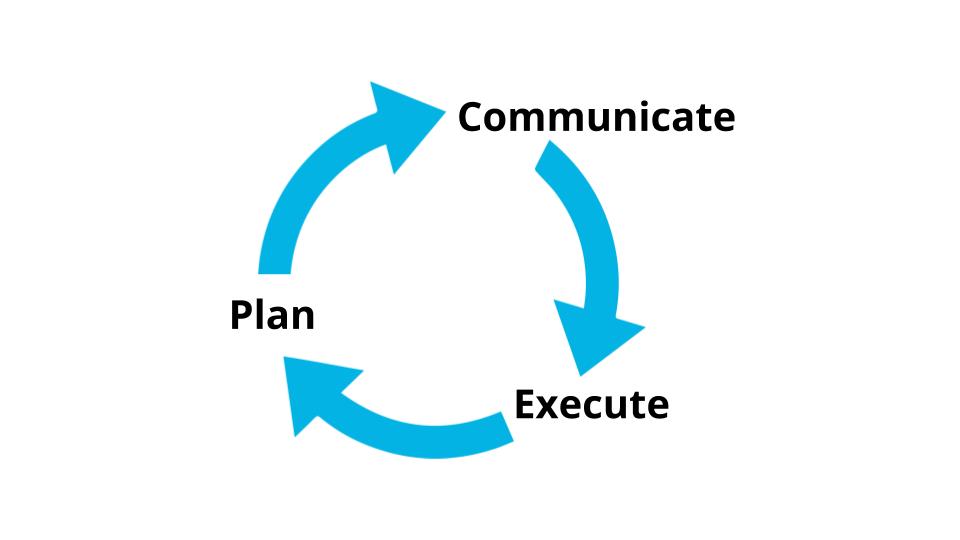
Plan, communicate and then execute
A launch without a good plan will have more chances to fail. A plan that isn't communicated, can't be executed.
Plan Communicate and Execute